)
)
)
Developing Human Skills at Ashorne Hill to Support NHS Workforce Resilience
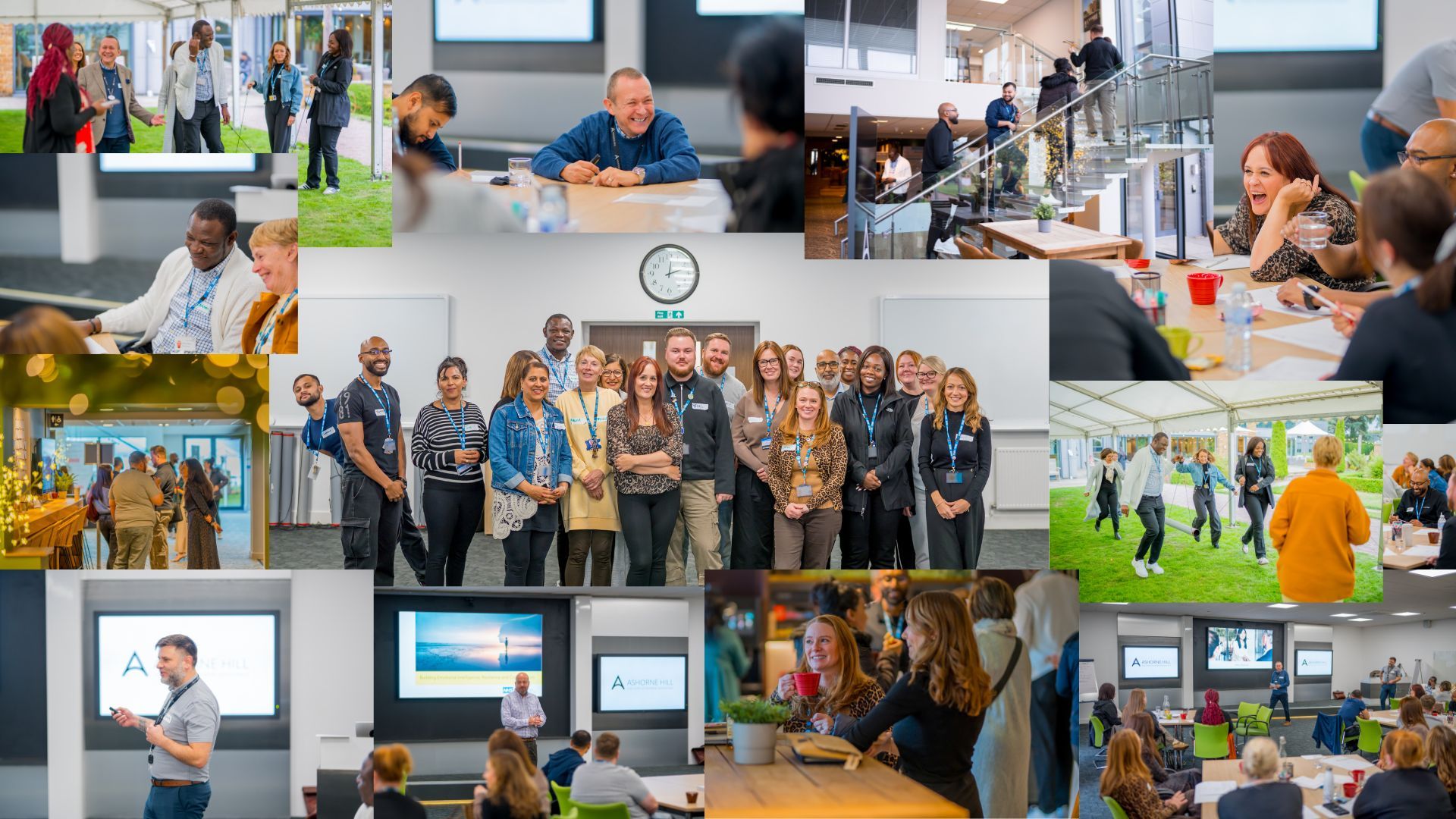
In September of this year, colleagues from Coventry and Warwickshire Partnership NHS Trust (CWPT) took part in a one-day workshop focused on these core capabilities. The session provided NHS staff with an opportunity to step away from the demands of frontline roles and reflect on how they manage pressure, work with others and maintain personal resilience in the evermore challenging environments.
The workshop explored themes including emotional intelligence, team effectiveness, values and purpose, and managing personal triggers under stress. Participants also focused on practical ways to improve communication and collaboration-skills that are particularly critical within complex, fast-moving healthcare systems.
The need for this type of learning and development is well evidenced. NHS workforce plans aim to ensure every staff member has access to a personalised coaching and development plan, alongside major investment in leadership capability and education reform. At the same time, the service has set an ambitious target to deliver a 2% year-on-year productivity gain over the next three years[1], highlighting the importance of effective leadership and teamwork at every level.
Research consistently shows the link between human skills development and improved outcomes. One NHS study into leadership training for service-line leaders found that an investment of £1,689 per participant generated savings of £7,833 per participant through improved productivity and innovation, alongside increased confidence and stronger team collaboration[2]. Other studies have shown that improvements in management practices are associated with better clinical outcomes, including reduced mortality rates.
Communication and collaboration skills also play a vital role in patient care. A systematic review of healthcare communication training found that over half of communication and content delivery outcomes improved following targeted interventions, contributing to better health behaviours and experiences[3].
The benefits extend beyond performance metrics. Investment in staff wellbeing has been shown to deliver significant returns through reduced absenteeism and presenteeism, with mental health and wellbeing interventions yielding an average return many times greater than their initial cost. For a workforce under sustained pressure, creating time and space to focus on these skills can have a meaningful impact on morale, retention and engagement.
While this session focused on NHS staff, the insights are relevant across the wider public sector. Local authorities, education providers and emergency services face similar challenges around emotional labour, high workloads and complex change.
Hosted at Ashorne Hill, the workshop reinforced the value of creating experiential learning environments away from day-to-day operational demands, where individuals can reflect openly, and reconnect with their peers, an increasingly rare opportunity within high-pressure public service roles.
As the NHS continues its transformation journey, initiatives that prioritise human skills development offer a practical way to support workforce resilience and leadership capability. Investing in how people work together may prove just as important as investment in systems and technology, ultimately benefiting both staff and the communities they serve.
[1] Gov.uk
[2] Orme, D. (2019)
[3] British Psychological Society (2023)