


From Reactive to Preventative: Tackling the Root Causes of Workplace Stress
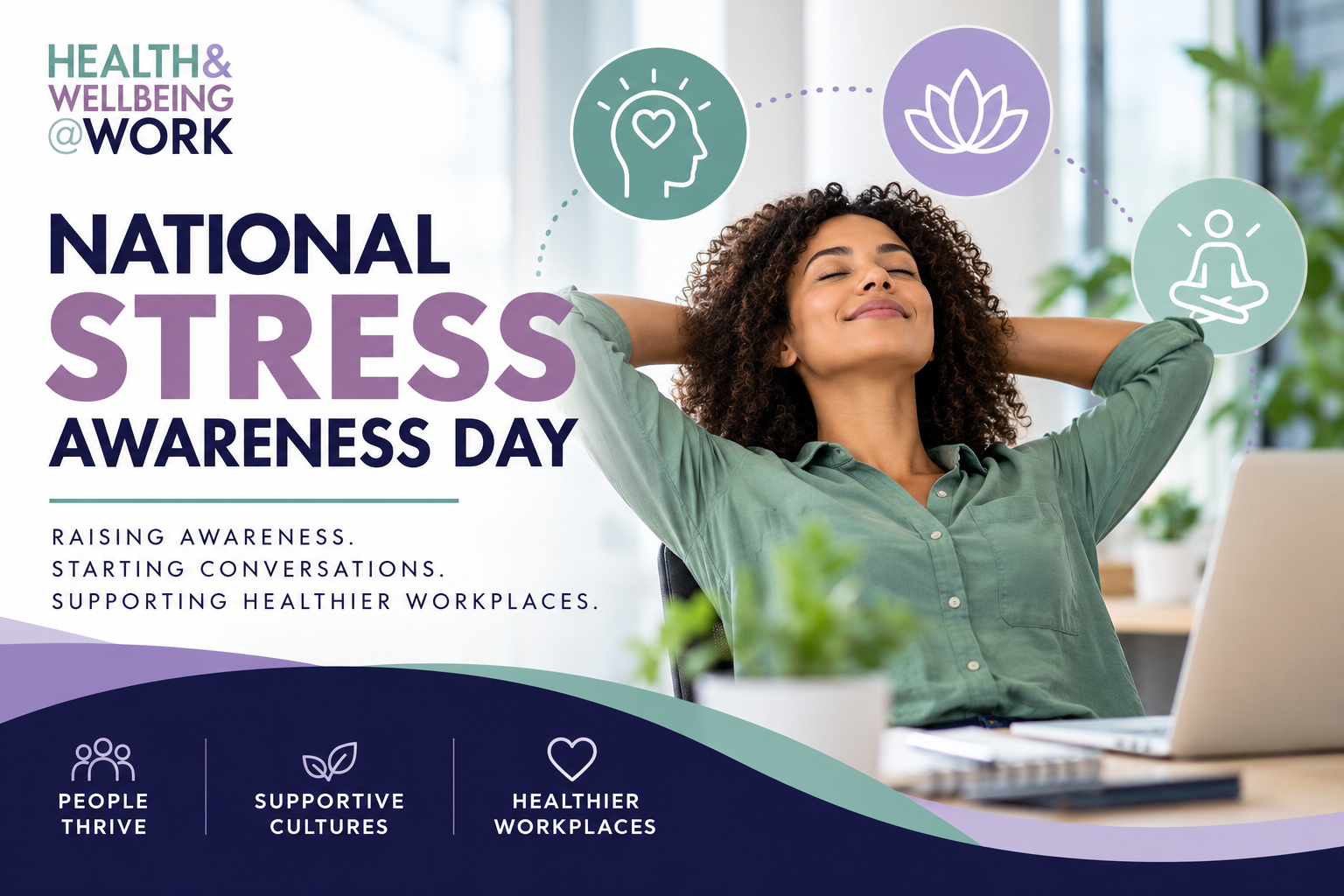
As employers mark National Stress Awareness Day on 4 November, the focus is shifting towards a crucial question: are organisations doing enough to prevent workplace stress, rather than simply helping employees manage it once it becomes a problem?
Work-related stress remains a significant challenge for UK employers, affecting employee health, absence, retention and productivity. The Health and Safety Executive (HSE) reported that nearly one million workers experienced work-related stress, depression or anxiety in 2024/25, resulting in 22.1 million working days lost.
While employee assistance programmes, mindfulness sessions and wellbeing initiatives can all play a valuable role, they cannot compensate for excessive workloads, poor management or a workplace culture in which employees feel unable to speak up.
Prevention starts with the working environment
The HSE is clear that employers have a legal duty to assess the risks of work-related stress and take action to prevent or reduce them. Its Management Standards framework identifies six key areas that organisations should consider: demands, control, support, relationships, role and change.
For employers, this means looking beyond individual coping strategies and examining how work is designed, managed and experienced. Are workloads realistic? Do employees have sufficient autonomy? Are managers equipped to recognise early warning signs? And are organisational changes communicated clearly, with employees given the support they need to adapt? These questions are particularly important in workplaces experiencing restructuring, skills shortages, technological change or sustained pressure on resources.
What can employers do differently?
National Stress Awareness Day offers an opportunity to review existing approaches and identify practical improvements.
- Listen to employees: use staff surveys, one-to-one conversations and team discussions to understand where pressure is coming from. Crucially, act on the feedback received.
- Equip managers to recognise stress: train line managers to identify potential warning signs, have supportive conversations and escalate concerns appropriately.
- Review workloads and working practices: assess staffing levels, deadlines, working hours, breaks and expectations around availability outside normal working hours.
- Build psychological safety: create an environment where employees feel able to raise concerns without fear of blame, stigma or negative consequences.
- Make wellbeing part of everyday management: integrate regular conversations about workload and wellbeing into routine management practices rather than relying on occasional campaigns.
- Evaluate what works: monitor absence, employee feedback and other relevant workforce data to identify patterns and assess whether interventions are making a difference.
The HSE's Working Minds campaign provides a practical framework for employers through its five Rs: Reach out, Recognise, Respond, Reflect and make it Routine.
An inclusive approach to stress prevention
Stress does not affect everyone in the same way. Employees living with long-term health conditions, managing a disability, balancing caring responsibilities or navigating significant personal circumstances may face additional pressures. Equally, workplace factors such as inflexible working arrangements, inaccessible environments or a lack of reasonable adjustments can create avoidable stress.
An inclusive approach means understanding individual needs without losing sight of the wider organisational factors that affect employee wellbeing. Employers should ensure that staff can access appropriate support, discuss adjustments and seek help early, without having to reach crisis point first.
Making prevention a year-round priority
National Stress Awareness Day is a useful prompt, but meaningful progress depends on sustained action. Employers that treat stress as a workplace risk to be identified and managed — rather than solely an individual wellbeing issue — are better placed to protect their people and build healthier working environments.
Ultimately, the goal should be to create workplaces where employees are supported to do their jobs well without being exposed to unnecessary or sustained pressure. That requires more than a wellbeing initiative: it requires leadership commitment, open conversations and a willingness to address the underlying causes of stress.
The question for employers this National Stress Awareness Day is not simply how they help employees cope with stress, but what they can change to prevent it from arising in the first place.